Social Clubs at Brighton by the Bay
Brighton by the Bay fosters active, neighborhood-centered engagement for adults seeking connection, purpose and recreation close to Lake Ontario. Clubs are structured to suit a variety of interests, from gentle fitness to arts, volunteer work and travel, with an emphasis on local access to Presqu’ile Provincial Park, downtown Brighton amenities and easy travel via Highway 401.
Benefits of joining a club
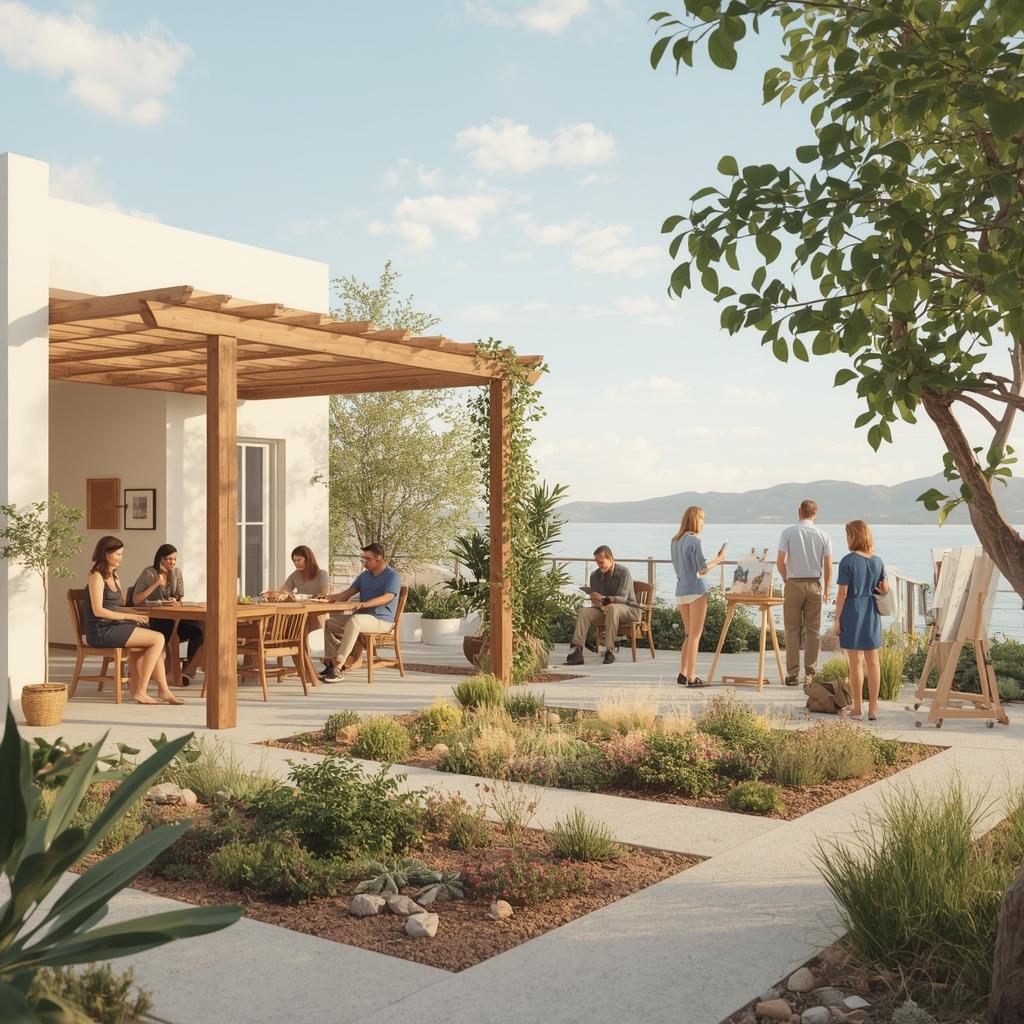
Joining a club delivers measurable gains in social well-being, cognitive stimulation and physical health for older adults. Clubs promote regular routine, reduce isolation, support new friendships and offer purposeful roles that sustain self-worth. Practical advantages include access to shared resources, lower per-person costs for activities, and quicker orientation to Brighton’s local services such as the public library and community events.
Benefits include:
- Regular social contact that lowers loneliness and supports mental health.
- Structured activity schedules that improve mobility, balance and cardiovascular health.
- Opportunities to volunteer with local groups, strengthening ties with Presqu’ile and municipal programs.
- Skill sharing and lifelong learning through technology sessions, book groups and culinary exchanges.
These benefits translate into higher resident satisfaction and more active participation across the community calendar.
Club types and typical activity model
Brighton by the Bay supports a wide spectrum of clubs. Many meet on-site in multipurpose rooms, others convene outdoors when weather permits, and some partner with nearby Brighton organizations. The text below describes core categories and what residents can expect when joining.
Arts and crafts: Painting, quilting, pottery and fibre arts groups meet weekly or biweekly. Members share materials and host seasonal shows in the community hall.
Fitness and wellness: Chair yoga, aqua fit, walking clubs and tai chi target mobility and fall prevention. Certified instructors sometimes visit for workshops.
Book and discussion groups: Multiple genres, including Canadian fiction and local history, rotate monthly selections. Sessions emphasize moderated conversation and occasional guest speakers from Brighton Public Library.
Gardening and nature: Raised-bed vegetable groups and native plant projects coordinate with Presqu’ile volunteers to support pollinators. Seasonal plant swaps and garden tours are common.
Games, cards and bridge: Contract and duplicate bridge, euchre evenings and board-game afternoons form an energetic games scene with internal leagues and occasional inter-community tournaments.
Dining, wine and culinary: Small-dining clubs organize thematic dinners, potlucks and occasional cooking demonstrations by local chefs or nutritionists.
Travel and day trips: Regular day trips to Cobourg, Port Hope and the Toronto Theatre District are arranged with charter buses. Overnight trips are planned annually.
Volunteer and community service: Coordinated efforts with Brighton food drives, library volunteer programs and environmental cleanups provide meaningful outreach.
Music, theatre and performance: Choirs, ukulele groups and drama workshops culminate in seasonal performances for residents and families.
Technology and lifelong learning: Sessions cover smartphones, tablets, social media safety and guest lectures on local history. Partnerships with Brighton Public Library staff are frequent.
Below is a typical operational snapshot showing meeting cadence, average membership and common venue choices used across clubs.
| Club category |
Typical meeting cadence |
Average members |
Common indoor space |
Typical fee per season |
| Arts and crafts |
Weekly or biweekly |
12–25 |
Multipurpose room or craft studio |
$10–$40 |
| Fitness and wellness |
2–3 times weekly |
15–40 |
Fitness studio or pool |
$20–$80 |
| Book and discussion |
Monthly |
8–18 |
Library meeting room |
Free–$10 |
| Gardening and nature |
Seasonal |
8–30 |
Outdoor beds, greenhouse |
$0–$25 |
| Games, cards and bridge |
Weekly |
10–30 |
Games room |
$0–$15 |
| Dining and culinary |
Monthly |
8–20 |
Dining room or kitchen |
$10–50 per event |
| Travel and day trips |
Quarterly |
20–50 |
Off-site departures |
Varies by trip |
| Volunteer service |
Ongoing |
6–40 |
Off-site |
Usually free |
| Music and performance |
Weekly |
10–35 |
Auditorium or lounge |
$0–30 |
| Technology and learning |
Biweekly |
6–20 |
Tech lab or library |
$0–20 |
This snapshot reflects common practice rather than precise quotas; individual clubs set final parameters based on demand.
Organization, governance and joining
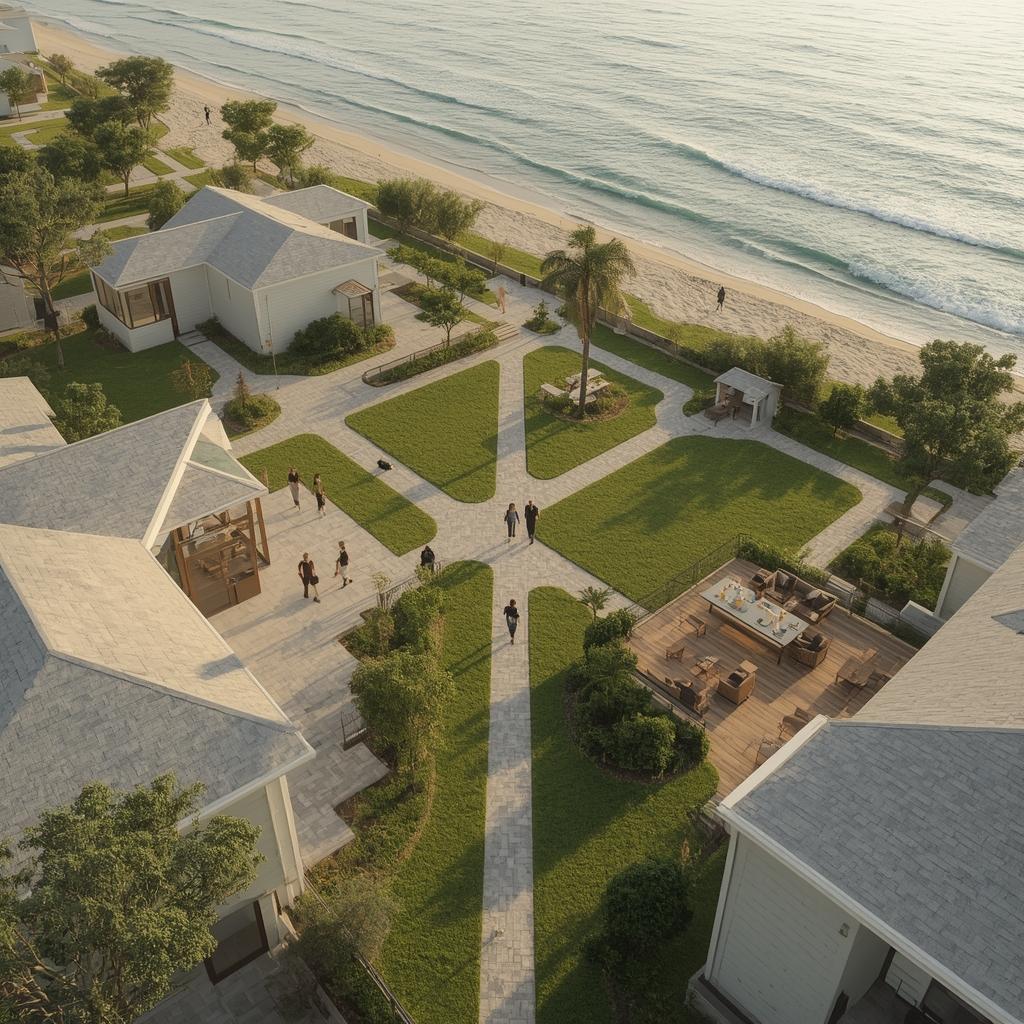
Clubs operate under community bylaws and a resident-led recreation committee that provides oversight, insurance guidance and budget approvals. Most clubs elect a small leadership team: coordinator, treasurer and events organizer. New members can join by contacting the community concierge, attending an open meeting advertised on the resident calendar, or signing up at the welcome desk. Waiting lists are rare; many clubs actively recruit newcomers at orientation events.
Starting a new club requires a brief proposal to the recreation committee that outlines purpose, expected membership, required spaces and a simple budget. Best practices include drafting basic rules for participation, establishing a modest fee structure to cover supplies, and scheduling introductory meetings during peak attendance times such as midweek afternoons.
Leaders must maintain attendance records, manage small budgets, and arrange room bookings. Planning successful meetings relies on published agendas, timely communication to members, and nominated facilitators for each session. Shared templates for agendas and sign-in sheets are available from community administration.
Facilities, partnerships, costs and safety
Facilities include a multipurpose hall, fitness studio, craft room and outdoor gardens. Regular partnerships with Presqu’ile Provincial Park rangers, Brighton Public Library and local vendors enrich programming through expert talks, guided nature walks and pop-up markets. Typical fees are modest; most clubs collect seasonal dues of $10 to $80 to cover supplies, with occasional fundraising events for larger projects.
Accessibility and inclusion policies ensure ramps, hearing assistance and adapted activities. Health and safety protocols follow Northumberland Public Health guidance. During heightened respiratory concerns, protocols have included increased ventilation, mask-optional policies and hybrid meeting formats to protect vulnerable members.
Member experiences, practical tips and future outlook
Residents consistently cite meaningful friendships, renewed purpose and easier integration into Brighton life as primary outcomes of club participation. Testimonials highlight a quilting group that raised funds for local shelters and a walking club that increased members’ weekly activity by measurable amounts.
For new residents, recommended steps are attending the next community welcome social, reviewing the monthly calendar, and trying two different club types within the first 60 days. Effective communication strategies used by clubs include email newsletters, bulletin-board flyers and a moderated resident Facebook group that boosts event attendance.
Local administration provides start-up kits, small grants and publicity support. Anticipated trends include increased hybrid programming, inter-community tournaments with neighboring towns, and expansion of health-focused offerings. Community leaders can expect steady interest as Brighton continues to attract adults seeking a balanced lifestyle near Lake Ontario and nearby natural and cultural resources.